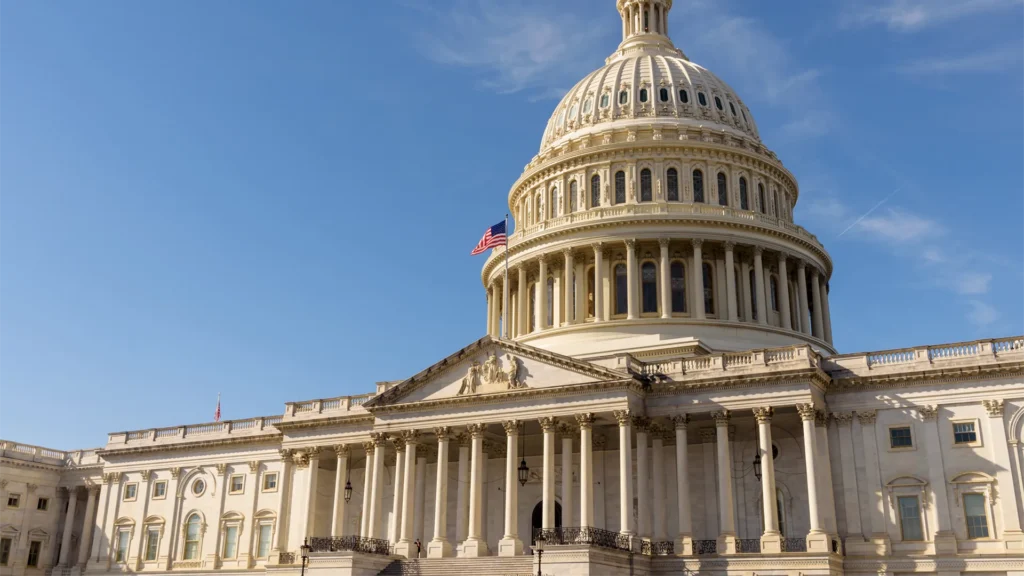

The 2026 South Dakota Legislative Session is underway in Pierre, and bills are being introduced at a rapid pace as lawmakers begin shaping priorities for the year ahead. With new bills dropping almost daily, early committee hearings and floor discussions are already signaling which issues are likely to dominate the session and where legislative momentum may build.
Communities across South Dakota continue to face increasing housing demand driven by workforce shortages and population growth. At the same time, housing development in many areas struggles to keep pace with demand, infrastructure capacity, and rising construction costs. Against this backdrop, several policy proposals introduced early in the session could significantly influence how and where housing development occurs.
One bill being watched closely this session is Senate Bill 76. The bill proposes transferring all unobligated funds from the loan portion of the South Dakota Housing Infrastructure Fund to the Revolving Economic Development and Initiative (REDI) Fund. Historically, the Housing Infrastructure Fund has supported critical water, sewer, and other foundational infrastructure projects that make housing development possible and financially feasible for growing communities.
Supporters of SB 76 emphasize the importance of economic development and airport infrastructure to support statewide growth. Under the proposal, the Board of Economic Development would be authorized to provide zero-interest, unsecured loans of up to $15 million to airports with scheduled commercial air service, currently Sioux Falls and Rapid City. Loans would be repaid over 20 years, require approval at a public meeting, and must be closed and funded by June 30, 2030, with repayments returning to the REDI Fund.
HBASE, along with other HBAs and community development stakeholders, has raised concerns about the potential impacts of redirecting funds away from a program specifically designed to address long-term housing needs. Reduced stability and predictability in the Housing Infrastructure Fund could make it more difficult for communities to plan projects, leverage private investment, and manage development costs, challenges that often result in higher housing costs for residents.
A second bill HBASE is opposing this session is House Bill 1113, which would establish a manufactured housing down payment assistance program funded through the South Dakota Housing Infrastructure Fund. While expanding access to homeownership is an important goal, HB 1113 would divert up to $5 million from a fund that has traditionally supported essential infrastructure investments that benefit a broad range of housing types and communities.
HBASE has expressed concerns that redirecting Housing Infrastructure Fund dollars toward individual down payment assistance, even on a revolving basis, could limit the fund’s ability to support large-scale infrastructure projects that enable new housing development. This shift may unintentionally constrain housing supply, particularly in fast-growing communities where infrastructure remains a primary barrier to affordability.
In addition to bills raising concern, HBASE is supporting legislation aimed at improving consistency, predictability, and efficiency in housing development. Senate Bill 129 would update statutory references to align with the 2024 standard building codes, helping ensure uniformity across jurisdictions and providing builders with clearer, more up-to-date standards. Consistent code adoption supports safety while reducing confusion, delays, and unnecessary compliance costs.
HBASE also supports Senate Bill 3, which would limit the types of residential improvements for which counties, municipalities, and townships may require a permit. This bill seeks to reduce unnecessary permitting requirements for minor improvements, helping streamline projects, lower costs for homeowners, and reduce administrative burdens on local governments without compromising health or safety.
Property taxes are also a key focus of the 2026 session. Rising property valuations and increasing costs for local services continue to place pressure on homeowners, renters, and local governments alike. While lawmakers are considering proposals aimed at providing relief, these discussions remain closely tied to housing policy. Development regulations, construction timelines, and market conditions all influence housing costs and, in turn, property taxes and rents.
Active participation in the legislative process is critical during this time. Being part of the Home Builders Association is one of the most effective ways to protect our freedom to build and ensure the industry’s voice is heard. Grassroots involvement from builders, trades, and industry partners gives policymakers real-world insight into how proposed legislation impacts projects, costs, and housing availability. When members engage, association advocacy becomes stronger, helping shape balanced policies that support affordability, infrastructure investment, and long-term community growth across South Dakota.
As the legislative session continues and additional bills are introduced, HBASE will remain actively engaged and closely monitor developments at the Capitol. Decisions made during the 2026 session will have a lasting impact on how communities grow, support their workforce, and ensure housing remains attainable for current and future residents. To see an updated list of bills HBASE is tracking throughout the session, view our Bill Tracker.